


A Call for Good Men to Listen, Speak Up, and Take Responsibility
by Rebecca Horch, BACYC, CPC
Reading Time: 12 minutes
Content warning: This blog contains accounts of sexual harassment, sexual assault, victim blaming, and gender-based violence.
Before I go any further, I want to speak directly to the men reading this. Some of what I’m about to say might make you uncomfortable. You might feel defensive, angry, or unfairly lumped in with men who have done terrible things. I’m asking you to stick around anyway. I genuinely believe men have an incredibly important role to play in changing the culture that allows these things to happen, and we need you to be part of this conversation.
If you notice yourself getting defensive as you read, I encourage you to get curious about that feeling. Sit with the discomfort for a little while. Listen to what I’m saying, and consider the experiences of the women in your own life. There are things we desperately need men to understand, and I hope you’ll keep reading.
I’ve been following the Cornell Seven case, and I am absolutely full of rage. I’m angry about the allegations themselves, the group chat, the men who participated in that conversation, and the questions it raises about those who may have witnessed what was happening and said nothing.
While the allegations and reported details of this case are horrifying, there’s something about it that feels painfully familiar. The behavior, the attitudes, the silence, and the way women are treated as objects for men’s entertainment. And, of course, the expectation that women will somehow be responsible for protecting themselves from it all.
I’ve been thinking about how early we learn these things.

• I was 5 years old when I started noticing that any time I had a friend who was a boy, adults around me would make jokes about how we should get married one day, or tell me to “just let him give you a little kiss!”
• I was 7 years old when a boy wouldn’t stop following me around and touching my hair, and a teacher told me to “just be nice, he’s just trying to be your friend.”
• I was 10 years old when I punched a boy on the playground for “snapping” my new training bra. I got sent to the principal’s office. He got an ice pack for his face in the nurse’s office.
• I was 11 years old when I was told I couldn’t wear a spaghetti strap tank top in the summer anymore because it looked too promiscuous.
• I was 12 years old when men at a construction site would catcall me every day on my way to school.
• I was 12 years old when I had to wear an oversized T-shirt over my two-piece bathing suit at a youth group swimming event. I hadn’t even hit puberty yet.
• I was 13 years old when a boy ripped off my tearaway pants (if you’re from the ’90s, I know you know all about tearaways) in the middle of the hallway at school.
• I was 13 years old when two boys, a couple of years older than us, invited my friend and me to their campsite to play cards. One of them put his hand up my shirt and groped me the whole time. I was too afraid to say anything.
• I was 14 years old when all the girls at school were required to take a self-defense class (something I still strongly recommend) to learn how to protect ourselves from predators. I still remember everything I learned in that class.
• I was 15 years old when, while working at a Christian summer camp, a male staff member came into the building I was in while the rest of the camp was at the campfire. He waited for me to come out of the shower, pulled the towel off my body, and pushed me onto a bed. I screamed so loudly that he ran away. A few hours later, when it was clear I was upset, I was told I would be sent home if I didn’t disclose what had happened. When I finally did, I was made to sit in a group of girls and listen to a talk about how we needed to be very careful about how we acted around boys so we didn’t give them the wrong idea about our intentions. The boy was sent home, but my parents were never informed. At the time I was relieved about that. Now, as a parent myself, I am enraged. I believe the camp was protecting its own interests instead of the children and staff in its care. Following the Cornell Seven allegations, I find myself asking how often institutions prioritize protecting themselves when students report sexual violence.
• I was 15, 16, and 17 years old when, year after year, the girls in our church youth group were given talks about how we, as young women, were responsible for the sexual thoughts and actions of the men around us. It was our responsibility “not to let our brothers in Christ stumble.”
• I was 19 years old when, while backpacking through Europe, I had my first of multiple encounters with men exposing themselves to me.
• I was in my 20s when I was grabbed and groped countless times while working as a server in a restaurant, including by my boss.
• I was in my 20s when I was threatened and harassed, and when I finally started standing up for myself, I was called some of the most horrific names you can imagine.
These are just the examples coming to mind as I’m writing this. I can guarantee there are dozens more.
And the strange thing is, part of me still feels grateful. I know women whose stories are so much more horrific than mine. Think about that for a moment. I can write an entire list of experiences involving sexual harassment, assault, intimidation, and humiliation, beginning when I was a little girl, and still find myself thinking that I was one of the lucky ones.
I know boys and men experience sexual violence too. Their experiences matter and deserve to be taken seriously. I’m focusing here on the experiences of women and girls, and the deeply ingrained attitudes and behaviors that have allowed sexual harassment and violence against women to become so normalized.
I turned 40 this year, and it’s been a few years since anything this significant has happened to me. But with age has come something new. Alongside the fear, shame, and disgust that I’ve experienced over the years, I’ve found myself feeling something altogether more powerful. Rage. I am full of rage.
I am furious that I do not know a single woman who has not experienced some form of sexual harassment or assault. Not a single one.
I’m furious that so many of us have stories like these. I’m furious that we learned, often before we even understood what sex was, that our bodies were somehow responsible for the behavior of men. I’m furious that we were taught how to protect ourselves long before boys were taught how to respect us. And I am furious about how often the people who could have done something simply stood by and did nothing.
I wonder how many women have spent their lives suppressing their anger because expressing it would make someone else uncomfortable. How many of us learned to laugh off inappropriate comments, to be polite when someone crossed a boundary, or to avoid making a scene? Even when our bodies have been violated, we can find ourselves worrying about the consequences for the person who hurt us, carefully choosing our words, and making ourselves smaller to protect someone else’s comfort.
How many of us were taught, directly or indirectly, that being a good woman meant being an agreeable one?
The Problem With “Not All Men”
I know sometimes people get their hackles up when they read things like this and assume we’re throwing all men under the bus.
“Not all men,” they say. And yes, not all men. I know that. We all know that.
But how many men have stood back while their friends made degrading comments about women? How many have laughed at the jokes, witnessed harassment and looked the other way, or stayed silent because speaking up might make things awkward or risk their place in the group?
Here’s what happens when men respond to women’s experiences with “not all men”:
1. It becomes about them. All of a sudden, we’re talking about men who feel unfairly implicated instead of what happened to women.
2. We start reassuring. Because we’ve been taught to manage other people’s discomfort, we find ourselves explaining that, yes, we know there are good men in the world.
3. We start censoring ourselves. We’ve learned that men’s defensiveness can quickly turn into anger or aggression, so we soften our words and carefully choose what we say.
4. Our experiences get pushed aside. The original conversation gets lost, and the focus becomes how our stories have made men feel.
And once again, women are being asked to manage the discomfort of men.
But this is the beautiful thing about rage. The discomfort of others stops being the most important thing. Women deserve to tell their stories. They deserve to be angry. They deserve to talk about the things that have happened to them without being interrupted by someone demanding reassurance that they’re one of the good guys.
And men, it’s time to listen. Let yourself be uncomfortable for a moment. If you’re in that group of “not all men,” great. Now shut up and listen.
I realize that’s a fairly blunt thing to say, especially after asking you to stick around at the beginning of this blog. But I genuinely believe we need men to become more comfortable hearing women’s experiences without immediately feeling the need to defend themselves. Listen to women’s stories. Think about the women in your own life and consider how many of them might have stories you’ve never heard. Consider what your female partners, friends, daughters, sisters, and coworkers have learned to tolerate simply because it’s easier or safer than speaking up.
Raising Boys
As a parent, and as someone who has spent much of my professional life working with children and families, I think a lot about the messages we’re passing on to the next generation.
I still remember taking that self-defense class when I was 14. I’m grateful I had the opportunity to learn those skills, and I continue to believe they’re valuable. But I find it incredibly frustrating that so much of our attention continues to be directed toward teaching girls how to avoid becoming victims.
We need to start raising our boys differently.
Here are some things we need to start doing. Fathers, I’m especially talking to you:
1. Teach them what enthusiastic consent actually looks like. Let’s teach them to recognize when someone feels uncomfortable, pressured, or unsafe, and to understand that consent needs to be freely given and can be withdrawn at any time.
2. Stop blaming women, and challenge victim-blaming when you hear it. What someone wears, how much they’ve had to drink, or how flirtatious they’ve been never gives our boys permission to touch someone else’s body. They also need to understand that another person’s inability to resist, whether because they’re intoxicated, frightened, or otherwise vulnerable, is never an invitation.
3. Teach them how to use their privilege well. Privilege is another word that seems to trigger some people, but it is a beautiful and powerful thing when used for good. We can teach our boys that they can use their voices, their influence, and, when it’s safe to do so, their physical presence to support someone who may not be able to protect herself.
4. Most importantly, let’s teach them how to hold one another accountable. I want our boys to understand that being a good friend sometimes means calling your friends out. I want them to have the courage to challenge the things their friends say and do, even when it makes them unpopular. I want them to recognize that their desire to belong can sometimes come into conflict with their values, and have the confidence to make difficult choices when that happens.
Let’s teach them that being respected by other men should never come at the expense of respecting women.
We also need to be having these conversations long before our children start dating or become sexually active. The messages they receive about gender, power, consent, and respect begin forming when they’re very young. They’re watching how adults speak about women, how we respond to inappropriate jokes, and what happens when someone crosses a boundary.
Our kids are paying attention to what we allow to go unchallenged.
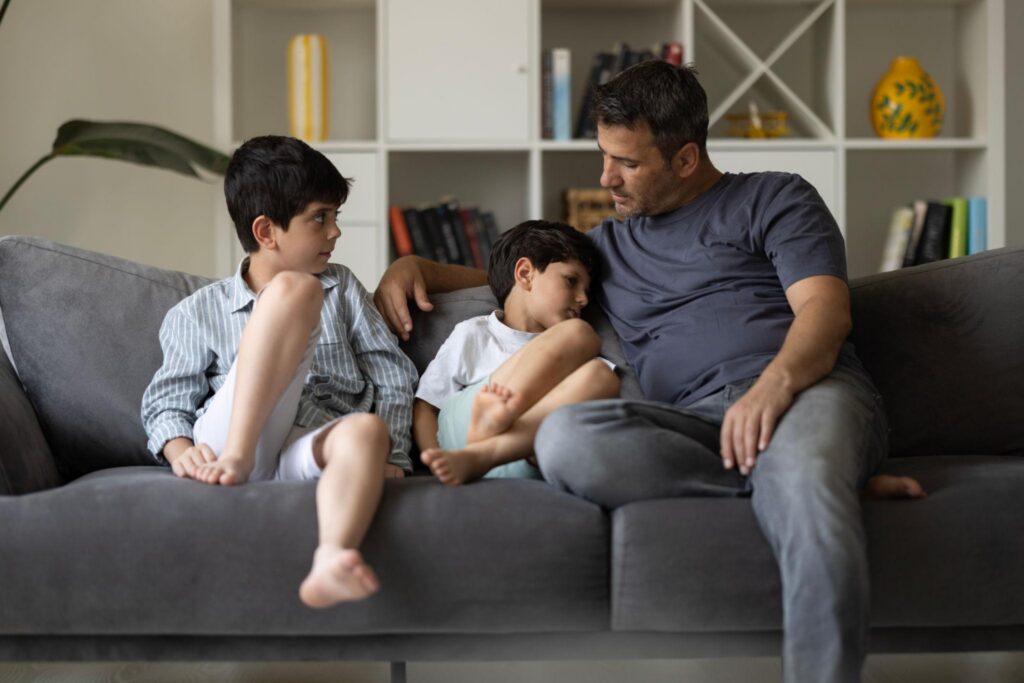
The Responsibility of Good Men
For the grown men reading this, we need you to model these things now. I hope you’ve been able to sit with some of the discomfort I mentioned at the beginning and consider the role you have to play in changing these patterns. Men need to start holding themselves and each other to a higher standard, especially when doing so comes at a personal cost. Think about what happens when it’s your own friend making degrading comments about women, or when speaking up means risking your place in a group. Are you willing to challenge the people whose approval matters to you? Your actions matter, and so does the example you’re setting for the next generation of boys.
If you want to be one of the good guys, being someone who doesn’t sexually assault women is a pretty low bar.
I hope those of you who have stayed with me throughout this blog will think seriously about the role you can play in changing this culture.
We’re tired of hearing that it’s not all men. We want to know what the rest of you are doing about it.
Where Do We Go From Here?
I recognize that this may have brought up some difficult feelings and experiences. Wherever you find yourself after reading this, here are a few places to start.
For women who have experienced sexual violence:
Allow yourself to acknowledge whatever you’re feeling. Anger, grief, fear, and even numbness are all understandable responses. If this blog brought up difficult memories or experiences, consider talking with someone you trust or working with a trauma-informed therapist or coach who can help you process what’s coming up. Pay attention to what helps you feel safe and
grounded, and remember that you get to decide when, how, and with whom you share your experiences.
For men who want to be part of the change:
Start by examining your own responses and attitudes. Notice if you feel defensive or unfairly targeted, and instead of shutting down, lean into that discomfort with curiosity. Question where those feelings come from and why they’re showing up.
Educate yourself about consent, sexual violence, and the role of bystanders. If you have women in your life who are comfortable sharing their experiences, ask questions and genuinely listen. Remember that women aren’t responsible for educating you. You may need to step outside your comfort zone, seek out resources, and invest your own time and money to educate yourself. Finally, pay attention to what happens in your own social circles and practice speaking up when something doesn’t sit right with you.
Learn to be the man who does the right thing, even when nobody is watching. Let that be your inner compass.
Resources for Survivors
If you or someone you love has experienced sexual violence, these organizations offer confidential support, education, and access to additional resources.
• RAINN (Rape, Abuse & Incest National Network) (United States) Offers free, confidential, 24/7 support for survivors of sexual violence. Call 800-656- HOPE (4673), text HOPE to 64673, or access their online chat.
• Maryland Coalition Against Sexual Assault (MCASA) (Maryland) Connects survivors with local rape crisis centers offering counseling, crisis intervention, medical accompaniment, and legal advocacy.
• NO MORE Global Directory (International) Helps survivors find sexual and domestic violence support services, helplines, and local organizations in more than 200 countries and territories.
Resources for Men
• A Call to Men Educational resources, videos, and training on healthy masculinity, men’s accountability, and preventing violence against women.
• RAINN: Step In With CARE A practical guide to recognizing potentially dangerous situations, safely intervening, and supporting people experiencing harassment or sexual violence.
• Men Can Stop Rape Educational programs focused on engaging men and boys in preventing sexual violence, understanding consent, and challenging harmful attitudes.
• Re:masculine Research-informed education on healthy masculinity, emotional development, and raising boys.
• Jackson Katz Educational resources on sexual violence prevention, men’s accountability, and the role of bystanders in challenging harmful behavior.
• Next Gen Men Resources for men, parents, and educators focused on challenging restrictive gender expectations and developing healthier models of masculinity.
Resources for Parents
Whether you’re raising boys or girls, we have a responsibility to teach our children about consent, bodily autonomy, and healthy relationships from an early age. These resources can help you start those conversations and keep them going as your children grow.
• AMAZE: Consent and Healthy Relationships Age-appropriate animated videos and educational resources that help parents teach children and teens about consent, personal boundaries, respect, and healthy relationships.
• RAINN: Protecting and Supporting Kids Practical guidance for parents on talking about bodily autonomy, recognizing warning signs of sexual abuse, creating open communication, and responding when a child discloses an experience.
• Love Is Respect: Supporting Your Child Resources to help parents recognize unhealthy relationship dynamics, support teens experiencing dating abuse, and maintain the trust that makes difficult conversations possible.
Recommended Reading
Adults and Parents
• The Will to Change: Men, Masculinity, and Love — Bell Hooks
• Some Men: Feminist Allies in the Movement to End Violence against Women — Michael A. Messner, Max A. Greenberg, and Tal Peretz
• To Raise a Boy — Emma Brown
• Sex Positive Talks to Have With Kids — Melissa Pintor Carnagey
Children and Teens
• Yes! No!: A First Conversation About Consent — Megan Madison and Jessica Ralli (ages 2–5)
• My Body! What I Say Goes! — Jayneen Sanders (approximately ages 3–8) • Consent (for Kids!): Boundaries, Respect, and Being in Charge of YOU — Rachel Brian (ages 6–10)
• Maybe He Just Likes You — Barbara Dee (ages 9–13)
• Sex, Teens, and Everything in Between — Shafia Zaloom (teens and parents)
Stay curious,
Rebecca


Rebecca strives to support others in building resilience, self-compassion, connected relationships and self-awareness. She loves to work with people who are ready for the hard work of inner growth and is passionate about helping others tap into their intuitive gifts and use them in this world.

