


By Amanda Clegg, Relationship Coach CLC, MNLP
READING TIME: 5 MINUTES
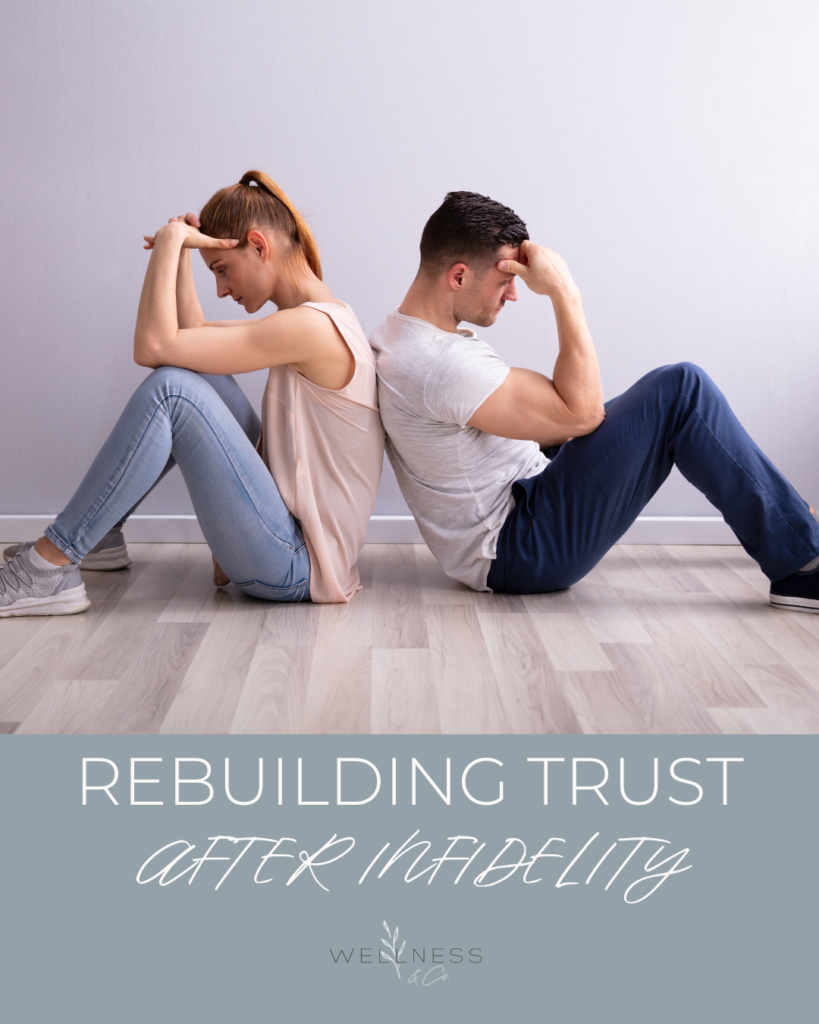
Infidelity is a profound breach of trust that can shatter the foundation of even the strongest relationships. The aftermath of betrayal is often characterized by a whirlwind of emotions, including pain, anger, and disillusionment. However, amidst the wreckage, there exists a glimmer of hope: the possibility of rebuilding trust and forging a path toward healing and renewed connection.
In this blog post, we’ll explore the complexities of rebuilding trust after infidelity and offer guidance for navigating this challenging journey.
And before we get started, I want to share something with you that I do with my clients as we begin this process. It’s common for the betraying partner to be resistant to beginning with a coach or therapist because of the shame associated with infidelity. Trust me when I tell you that as providers we hold a space of non-judgment. We do not pick sides and we do not think you are a bad person. We see through a lens of compassion that allows us to meet you both with the care and curiosity that you need. You’re safe with us.

Understanding the Impact of Infidelity:
Infidelity inflicts deep wounds on both partners, leaving behind scars that can linger long after the betrayal has been uncovered. The impact of infidelity is multifaceted, affecting not only the emotional well-being of the betrayed partner but also the dynamics of the relationship as a whole and the crisis of identity that can happen for each of them.
For the betrayed partner, feelings of inadequacy, hurt, and confusion can be overwhelming. Trust, once broken, becomes a fragile commodity, casting a shadow of doubt over the sincerity of the relationship. “Do I even know her? How could he do this to me? Did I mean anything to them? Is our whole relationship a lie? How will we ever come back from this?” are some of the questions that clients in my office wrestle with.
Meanwhile, the betraying partner may grapple with guilt, remorse, and a sense of shame for their actions. “I’m not a cheater. I love my wife, what would make me do such a thing? My husband means the world to me, I don’t know how to live with myself. They’ll never forgive me.” are some of the thoughts that they are haunted by in the initial stages of healing.
Rebuilding trust requires a willingness to confront these emotions and thoughts head-on (with love), take responsibility for the betrayal, understand what led to the affair, and commit to repairing the damage done.
The Journey of Rebuilding Trust:
Rebuilding trust after infidelity is a complex process that needs time, patience, and unwavering devotion from BOTH partners. While there is no one-size-fits-all approach, certain key principles can serve as guiding lights along the journey:
- Open and Honest Communication: Truthful and transparent communication is essential for rebuilding trust. Both partners must be willing to engage in difficult conversations, express their feelings openly, and actively listen to one another’s perspectives without judgment or defensiveness.
- Accountability and Responsibility: The betraying partner must take full accountability for their actions and demonstrate genuine remorse. This may involve offering a sincere apology (sometimes many apologies), taking concrete steps to make amends, and committing to personal growth and self-reflection to unpack what led to them going outside of their relationship so it doesn’t happen again.
- Establishing Boundaries and Agreements: Setting clear boundaries and agreements can help reconstruct a sense of safety and security within the relationship. Both partners should openly discuss their needs, expectations, and boundaries, and work together to create guidelines for rebuilding trust and preventing future infidelity.
- Seeking Professional Support: Infidelity can be a deeply traumatic experience, and help from a qualified coach or therapist that does somatic work can be instrumental in navigating the healing process. In some cases, the betrayed partner may experience symptoms similar to those of Post-traumatic stress disorder (PTSD), which has come to be known as Post-infidelity stress disorder (PISD). This can manifest as; rumination, flashbacks, nightmares, numbness, avoidance (trying to pretend it didn’t happen), anxiety, depression, isolation, insomnia, and hypervigilance. Working with a trauma-informed provider can provide a safe space for both partners to explore their emotions, work through underlying issues, soothe their nervous systems, and learn healthy communication and coping strategies.
- Patience and Compassion: Both partners must be willing to extend empathy and understanding toward one another as they navigate the ups and downs of the healing journey. It’s important to recognize that healing is not linear and that “setbacks” are a natural part of the process. It takes time and intentionality.
Rebuilding trust after infidelity is gradual. It takes couples on a journey of growth, resilience, and transformation. By committing to open communication, accountability, mutual respect, and professional support, couples can navigate the intricacies of rebuilding trust and emerge stronger and more deeply connected than ever before.

When I work with my couples, I separate the healing into three stages as taught by Esther Perel, a psychotherapist known for her groundbreaking work on relationships, eroticism, and infidelity.
- Crisis: This is the initial stage which occurs when the affair is revealed and can last from days to weeks to months (sometimes years, in which case I highly recommend getting support as soon as possible…though I do suggest seeking help straight away too so it doesn’t get to that point). This phase can be marked by intense feelings and calls for an immense amount of emotional holding. Compassion, empathy, patience, and tenderness are absolutely necessary. This is deep grief, and the world needs to feel like it stops, even if it is for brief moments, so the betrayed partner can feel seen, supported, and soothed.
- Meaning-Making: This stage is about exploring the cycle – what led to the affair, what it meant to the betraying partner, how it impacted the betrayed partner, and the role that each played in their relationship prior to it happening. It is NOT about blame, it is about understanding. The blame-game will arise if you move into this step too quickly. In fact, it would be close to impossible to traverse if the emotionality is not tended to softly in the crisis – this piece is crucial in order for real and lasting change to materialize.
- Vision: The final stage is where couples begin to look toward the future together. Here is where they are able to co-create the relationship that they both desire. By cementing new values, learning how to love one another in the ways they need, and prioritizing their bond, couples can move into the next season of their lives side-by-side.
Note: It’s not uncommon for each partner to be at different stages. Often, the betrayal partner has had much more time to come to terms with, and process, the affair which means they are ready to understand their cycle (meaning-making) and plan for their new life together (vision). But, it takes two to heal. And it’s necessary to meet the betrayed partner where they’re at (crisis). Then, and only then, can they begin to truly successfully repair their bond.
Hear me when I say – healing is possible. With courage, commitment, and care, couples are able to transcend the pain of infidelity and forge a future filled with love, trust, and happiness.
I’m here for you. You do not have to walk this path alone.
Big love,
Amanda

Amanda works with couples and individuals who want to build secure, connected relationships – both within themselves and with the people they love. Using the Enneagram as a powerful framework for awareness and growth, she helps clients understand their patterns, soften reactivity, and create new ways of relating rooted in compassion and emotional safety.

