


by Erin Newton, LCPC
The first time I hosted REBIRTH I shared my own birth story. It required honesty, time, and vulnerability, all qualities that are paramount to healing birth trauma.
Recently, I wrote about the power of expressive writing in making sense of your birth story. In that post I discussed:
- birth trauma and examined why writing is helpful for processing trauma and how it acts as a kind of meditation and healing for the brain,
- how journaling can be a safe place to explore strong, uncomfortable feelings and how it is necessary to sit with those feelings in order to adequately process them,
- the research on expressive writing and how it can be not only mentally beneficial but physically as well.
As a quick reminder, I’m Erin Newton and my REBIRTH support group is my sweet spot. I have a love for women whose birth story unfolded in ways they could have never imagined. And right now, I’m doing two incredible things.
First, I’m prepping REBIRTH to be available as an e-course for women everywhere who deserve healing. Interested in taking the course? Sign up for our newsletter or pre-order it now!

Second, I’m hosting another round of REBIRTH right here in Harford County, Maryland (well, virtually now because of COVID-19 – no virus can hold us back from our healing!). This group is one of my greatest joys – it’s an experiential opportunity to powerfully heal alongside other women. I’d love for you to join. If you’re wondering if REBIRTH is right for you, please call (570)-689-8130 or email me at erin.newton@wellnessandco.org – the $100 discount is available until March 20th!

Rebirth is now virtual!
Back to your birth story! There are so many good reasons to use expressive writing to work through trauma! So let’s get started…with how to get started!
How to get started
If you’ve experienced a traumatic birth, writing out your birth story in several different versions is a great place to start sorting out your feelings. This concept is explored in detail in “Heal Your Birth Story: Releasing the Unexpected,” by Maureen Campion, in which the author suggests processing through several different versions of your story. Over the next few blog posts, we will be exploring all three of these versions, as well as The Birthtalk Breakdown tool, a concept explored in Melissa Bruijn and Debby Gould’s “How to Heal a Bad Birth.”
Today’s version, The Big Lie, is the first version explored in Campion’s book. This is the story that you’ve been telling yourself and everyone around you who has asked how you are or how your birth was. This version of the story tells only the facts of what happened to you without all the emotion. This is the story that says what happened was “no big deal” or “not as bad as it could have been/as others have it.” This is your “I’m fine” story. This story, frankly, is a farce, the shell of the real story, devoid of normal and expected feelings, but it’s important to acknowledge it in order to process through it.
But what does that look like?
The following is a short example of a birth story that embodies The Big Lie:
After enduring a surprise c-section with my first child, I desperately wanted to have a vaginal birth with my second child. I did a lot of reading and even spoke to my doctor about what was important to me and how I wanted things to go. My doctor seemed supportive.
The morning I went into labor I stayed at home for awhile, breathing through contractions. After several hours we decided to go to the hospital. I informed the nurses that I was trying for a VBAC (vaginal birth after cesarean). They looked at each other and said “we’ll see.” I didn’t know what that meant. Suddenly in the middle of a contraction, the nurses started yelling for the doctor and telling me to roll over onto my side. They called for the doctor, who told me that I needed to have a c-section right away. I asked for an explanation and was told that there wasn’t time for one and that I needed to cooperate and do what was best for the baby. I looked to my husband for support but he looked scared. I was prepped for surgery.
When I woke up, I felt groggy and dizzy. I asked about my baby and was told that he was fine and that I could see him soon. I said that I wasn’t sure if I was ready and the nurse laughed at me and told me that of course I was, that I was his mother. They brought him to me and I held him tight against me, feeling like everything I went through was for this moment. I was so happy. Me and my baby were going to be fine.
Notice that this story is mostly devoid of emotion. Notice the things going on that should elicit an emotional response from the author – the emphasis on needing to do “what’s best for the baby,” the staff in the room needing for her to comply, no one explaining things as they were happening – and yet she does not express feeling powerless or scared. When the author expresses that she doesn’t know if she’s ready to see her baby, the nurse laughs at her, and yet she does not acknowledge here the invalidation of her feelings or that this was bothersome. This story is the story that everyone identifies with a “good” mom – the mom who put the supposed safety of her baby above her own feelings and who appears to have no negative feelings about it. The mom who appears to truly identify with the collective societal feeling that “a healthy baby is all that matters.”
It is important to think about and process these thoughts and feelings before we can start challenging them. This bias is likely so deep that you may not have ever thought to question it or felt comfortable questioning it. You might think, “aren’t I a bad mother if I feel anything other than grateful and happy after my child’s birth? Aren’t I selfish to have wanted more out of my birth experience? Isn’t it unacceptable for me to feel disappointment, anger, fear, and shame?” Society engrains these judgements into us but with empathy and grace for ourselves, we can challenge them and unpack their validity.
Keep in mind…
As we stated in our last post, there are important things to keep in mind if you choose to go through the process of writing your birth story:
- If there are pieces of your story that you can’t remember or that seem unclear or unfinished to you, that’s ok. More may be revealed as you continue to process or you may need a therapist to help you unlock those lost pieces.
- If you start to feel overwhelmed, try to take a few deep breaths to center yourself. Consider using calming music, candles, or scented oils to aid in grounding. If this process is really hard for you, consider limiting the time, say for 30 minutes. Try very hard to stay with the feeling, even if it’s uncomfortable and sad. Sitting with the feeling is important to the process of healing and ultimately feeling better.
- If at any time in this process you feel unsafe, reach out to the people in your life who are a source of comfort for you. Use local crisis lines, such as Harford County’s Crisis Line: 410-874-0711. Consider seeking out a therapist if this process is too overwhelming for you to accomplish on your own.
Final Takeaway…
Do you have A Big Lie about your birth story that you’ve been struggling with? If you’re feeling brave, send us a message or comment here with A Big Lie you’re struggling with or have started thinking about with regards to your birth experience. You may feel all alone in your feelings, but chances are the way you feel will resonate with someone else. And not feeling alone in your grief and trauma can be very healing.
Stayed tuned for our next three blog posts as we continue to work on different ways to write your birth story!
Or, check out REBIRTH, a virtual therapy group designed to help start the process of expressing and working through birth trauma while connecting with other birth trauma survivors. The next session of the REBIRTH group starts Thursday, April 2nd at 6:00 pm and runs for ten weeks (skipping Thursday, April 9th). For details, check out Wellnessand_co on Instagram or reach out to me directly at Erin.Newton@wellnessandco.org or 570-689-8130.
Thanks friends,
Erin Newton, LCPC
REBIRTH is a birth trauma therapy group designed to help facilitate a conversation about birth trauma, postpartum depression (PPD), and postpartum anxiety by exploring topics such as anger, depression, isolation, guilt, and shame. The ideal audience for this group includes mothers who feel they have experienced trauma and/or who feel that they exhibit signs of PPD or postpartum anxiety as a result of their birth experience. Through a blend of psychoeduation, mindfullness exercises, journaling, experiential exercises and talk therapy within the group, group members can begin the healing process of their birth experiences.
The REBIRTH group is lead by Erin Newton, a licensed clinical counselor, a survivor of birth trauma, and a candidate for PMH-C certification, a standardization of training and experience for perinatal mental health specialists.
**For more information on birth trauma, how to write your birth story, and processing trauma, consider the following books:
- Birth Trauma by Kim Thomas
- How to Heal a Bad Birth by Melissa Bruijn and Debby Gould
- Heal Your Birth Story: Releasing the Unexpected by Maureen Campion

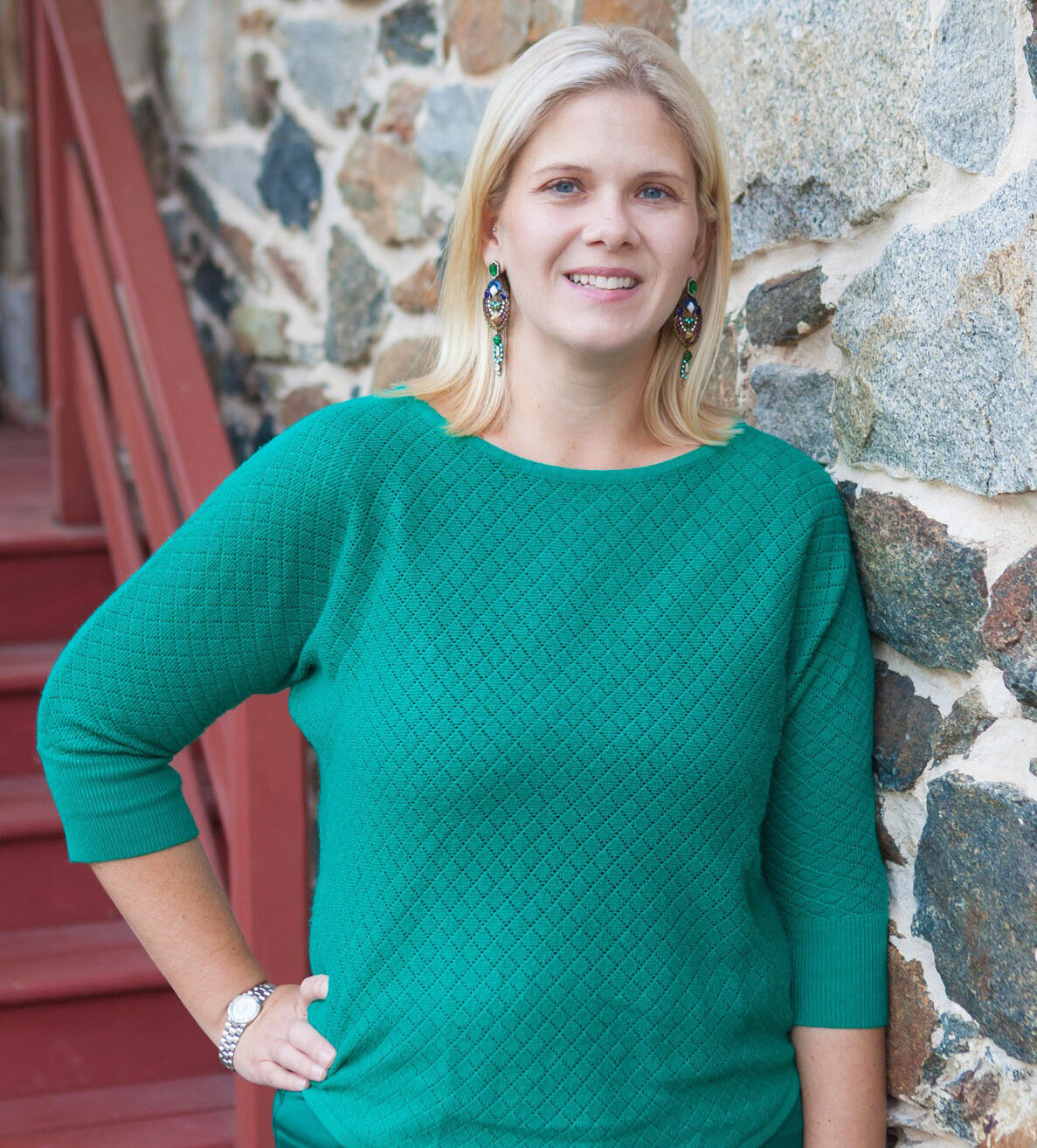
Erin Newton has been working with individuals and families for almost nine years now. She specializes in perinatal mental health, birth trauma, and anxiety related issues. She strives to help her clients feel seen, heard, understood and to give them the tools they need to start their own journey of healing.

