

Family Estrangement and Narcissistic Abuse
When Distancing Yourself Is an Act of Self-Preservation
By Ariel Fulmer, LMSW
Reading Time: 6 minutes
Hi Wellness & Co. readers!! My name is Ariel – I’m the newest therapist to join the team! I am so excited to be here! My jam is working with people who are survivors of narcissistic and emotional abuse – whether relationally or in your family system. I’ve learned from the GOAT herself, Dr. Ramani Durvasula in her highly specialized program for clinicians. This work matters deeply to me not just professionally, but personally. I’ve also lived through narcissistic dynamics in my own family system, which means I get how exhausting, and “wait… is it just me?”, these experiences can feel. If this hits home, this blog might be for you.
Media Discussions
You may have recently seen the Oprah Winfrey special that calls cutting ties with family a “trend”. For many people, hearing family estrangement talked about in this way can feel confusing and invalidating.
Family estrangement is one of the most painful and misunderstood outcomes of dealing with dysfunctional family systems. For those who have lived it, estrangement is rarely an impulsive decision, nor taken lightly. It often comes after years of emotional harm, unmet needs, boundary violations, and attempts to address these issues to no avail. Yet, in public conversations about estrangement, including those seen on Oprah’s discussion, much of the focus lands on reconciliation, shaming the victim, and the idea that families should always remain together. That perspective makes you feel like you’re out of your dang mind if you’ve been severely harmed by your family system!
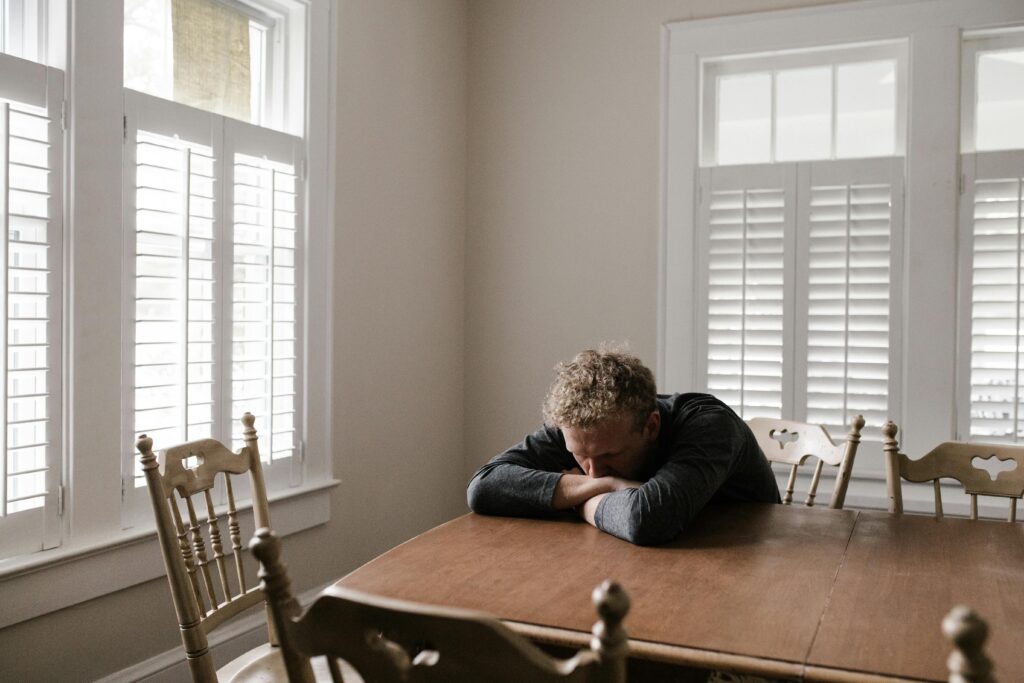
Estrangement Is Usually Not A First Choice
For many scapegoats of a family system, cutting off family or going “no-contact” comes after multiple attempts to repair the relationship. You might be asking yourself, “What does she mean by scapegoat?” Scapegoating often shows up as a quiet pressure to abandon your true self. It can involve blurred boundaries and a pattern of sacrificing your own peace in order to meet the emotional needs of the family system. For many survivors of narcissistic or emotionally abusive family systems, estrangement comes after years of trying to make things work, including:
- Explaining needs calmly and repeatedly
- Asking for emotional accountability
- Setting boundaries and then loosening them out of guilt
- Minimizing contact to preserve peace
- Hoping “This time will be different”
- Constantly thinking “Be so for real right now”
This sacrifice is exhausting, as any attempt to move towards meeting your own needs is met with gaslighting (click here to read more about gaslighting), blame shifting, punishment, or minimization. Estrangement, in these cases, isn’t about rejection, but survival. Distance can feel like the only option to protect your peace. People experiencing this may say, “I didn’t just wake up one day and decide to cut my family off. I spent years asking for the bare minimum and was told I am too sensitive.”

“But They are Your Family!”
If you have gone no-contact with any family members, then I am sure you are familiar with this statement. Someone once said to me, “I know they hurt me, but they’re my parents. I feel like I owe them access to me, no matter the cost.” They weren’t saying it with anger, just heaviness. The kind that comes from growing up with the message that love is something you repay, not something you’re allowed to receive freely. That if you set boundaries, you’re ungrateful. If you step back, you’re cruel. And if you choose yourself, you’re somehow failing at being a “good” son or daughter.
Let’s Talk Family Systems – When Family Roles Are Assigned, Not Chosen
In narcissistic family systems, roles are often rigid, unspoken and assigned by the parents. In these systems, you are expected to manage a parent’s emotions and meet their needs, instead of the other way around. You can often be responsible for upholding the family image, maintaining peace, and holding the weight through the sacrifice of your own true self and identity. Boundaries can be seen as a betrayal and independence seen as a threat. When an adult child decides to step away it can be framed as cruel, ungrateful, and vengeful instead of a result of long-term harm. The narrative that preserving the family unit trumps your own wellbeing can be incredibly painful to survivors.
Can the House Be Rebuilt?
Parents of estranged adult children may describe confusion, pain, and the feeling of being abandoned. These emotions are real and valid. What’s missing from the conversation, however, is a deeper exploration of why the estrangement occurred in the first place. And, furthermore, why reconciliation may not be wanted or possible. This could feel like, “Everyone keeps asking why I won’t just forgive my mom, but never what I was asked to tolerate.”
It’s first important to understand that estrangement does not equal punishment. Most people are not cutting ties to “teach them a lesson”. In reality, this decision can feel really crappy, filled with guilt, and grief. It involves mourning the relationship itself, as well as the one they hoped for but never received. We can hold space for both experiences – that it sucks for the parents and we can validate the choices of adult children in needing space to heal. What’s important is to not simplify the experience by calling it a trend or retaliation, but understanding the complexity of relational harm. These conversations focus too much on if reconciliation is possible instead of validating the adult children’s experiences.
When Distancing Is Not an Option
This is equally important!
Not everyone has the ability or safety to cut ties with a narcissistic parent, partner, or family member. For many people, leaving or going no-contact isn’t realistic, accessible, or culturally-supported. We have your back on that reality, too!
Some reasons why distance may not be possible:
- Cultural values that prioritize collectivism or family units
- Financial or housing reliance
- Religious or community values
- Lack of emotional readiness
- Shared parenting or co-parenting responsibilities
- Safety concerns
There is no “right” way to heal from emotional or narcissistic abuse. Healing can happen without distance. Safety, autonomy, and dignity can be built in many ways, and what is possible for one person may not be for another.
Girl, I FEEL this!
If this resonates with you or if parts of this felt familiar, you don’t have to carry it alone. Therapy can be a great tool regardless of your situation, whether you decided to cut ties or still have the narcissist in your life. It can be a place to gently make sense of what you’ve experienced, without minimizing it or working towards reconciliation. If you’re considering therapy and want a space where your experience is believed, your boundaries are honored, and your healing is centered, I’d be honored to have your back!
Until next time,
Ariel

Ariel is dedicated to helping individuals reclaim their voice and rebuild trust in themselves after relational trauma. Drawing from attachment-based and psychodynamic approaches, along with ACT and relational work, Ariel supports clients in untangling self-doubt, strengthening boundaries, and developing a more grounded, confident sense of self.
Leave a Reply
CONTACT
Start Here
BLOG
OUR TEAM
SHOP
ABOUT
©2025 Wellness & Co. | All Rights Reserved | Design by EverMint Design Studio
BACK TO TOP
connect with us on instagram


We offer therapeutic, coaching, wellness, and educational services - based in Bel Air, MD and serve clients nationally and internationally!
Menu

TAKE THE QUIZ